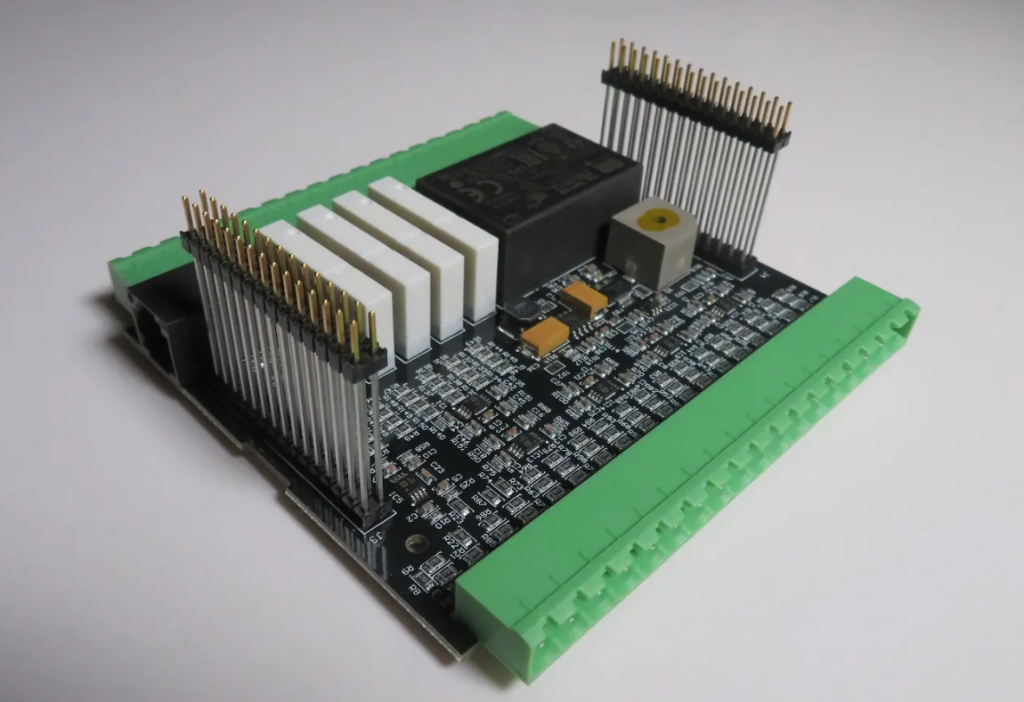
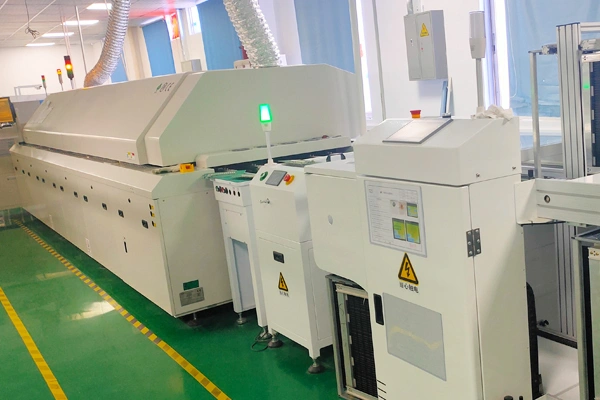
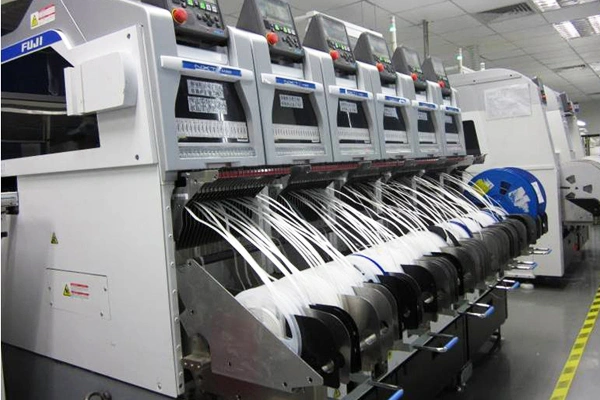
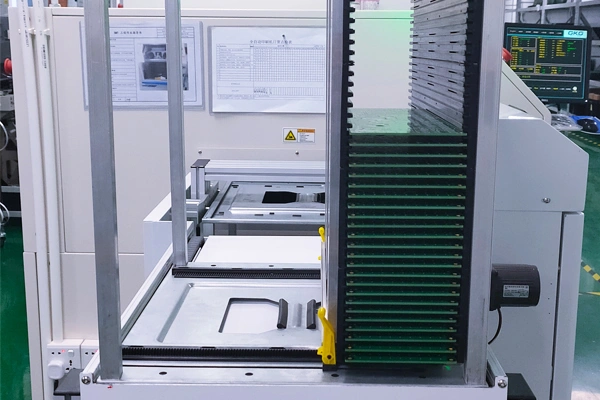
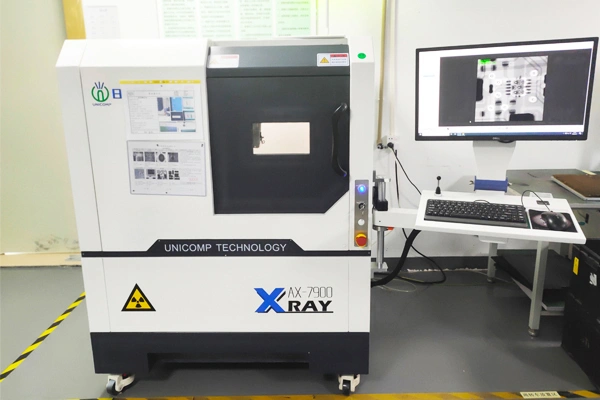
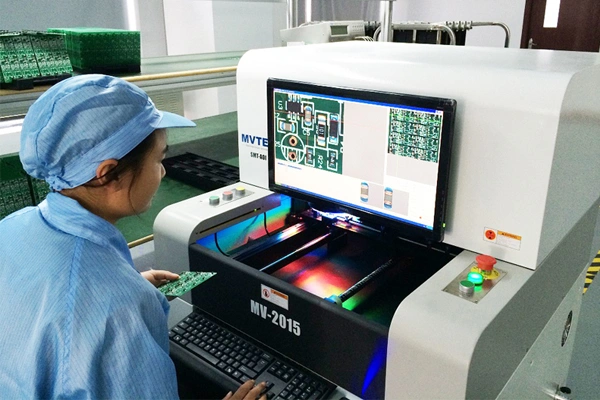
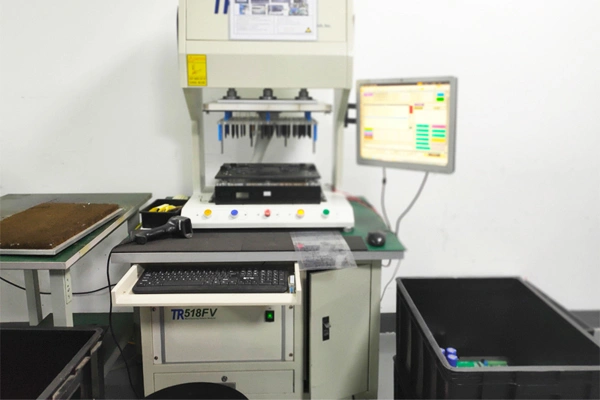
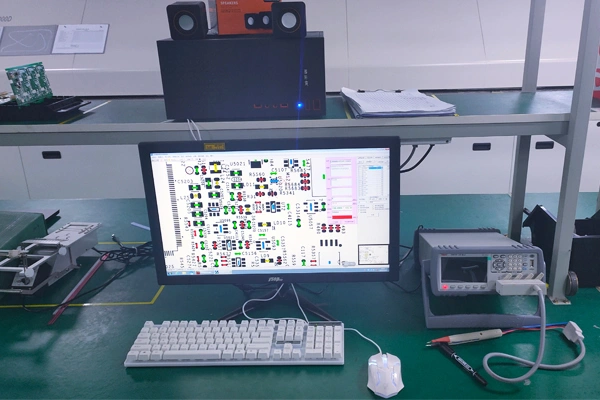
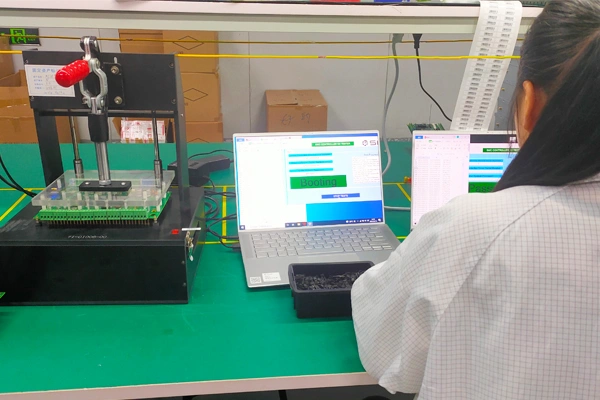
Through-hole PCB assembly is a method of attaching components to printed circuit boards. It involves inserting component leads through pre-drilled holes in the PCB, which creates strong connections between parts and the board. OurPCB offers expert through-hole PCB assembly services for reliable electronic products.
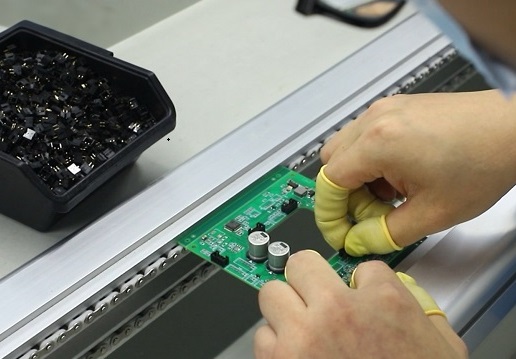
PCB through-hole assembly involves inserting components with leads through holes in a printed circuit board (PCB) and soldering them on the opposite side.
Through-hole PCB assembly works well for larger components and high-stress applications. It’s often used for power supplies, connectors, and specialized parts. Through-hole assembly provides strong mechanical bonds, which makes it ideal for products that may face physical stress or vibration.



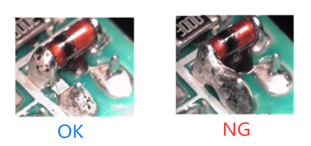
Features: The solder on the pad is connected between two or more adjacent solder joints on different circuits.
Acceptance Standard: If there is no such phenomenon, it is accepted. If it is found, secondary repair welding is required.
Impact: Seriously affects the electrical characteristics and causes serious damage to components.
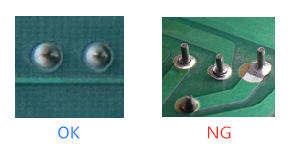
Features: The components’ pins are not covered with solder
Acceptance standard: If there is no such phenomenon, it is accepted. If it is found, secondary repair welding is required.
Impact: The circuit can not be conducted, the electrical function can not be shown, and occasionally poor welding and electrical tests can not be detected.
Features: The components’ pins are not covered with solder
Acceptance standard: If there is no such phenomenon, it is accepted. If it is found, secondary repair welding is required.
Impact: The circuit can not be conducted, the electrical function can not be shown, and occasionally poor welding and electrical tests can not be detected.
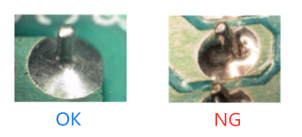
Features: The solder joint has an unsmooth appearance. In severe cases, it will wrinkle or crack around the pin.
Acceptance standard: If there is no such phenomenon, it is accepted. If it is found, secondary repair welding is required.
Influence: Solder joint reliability time is short, easy to begin to have poor welding phenomenon after being used for a period of time, leading to functional failure.
Features: Pinholes are on the surface of the solder joint.
Acceptance standard: If there is no such phenomenon, it is accepted. If it is found, secondary repair welding is required.
Influence: Poor appearance and poor solder joint strength.