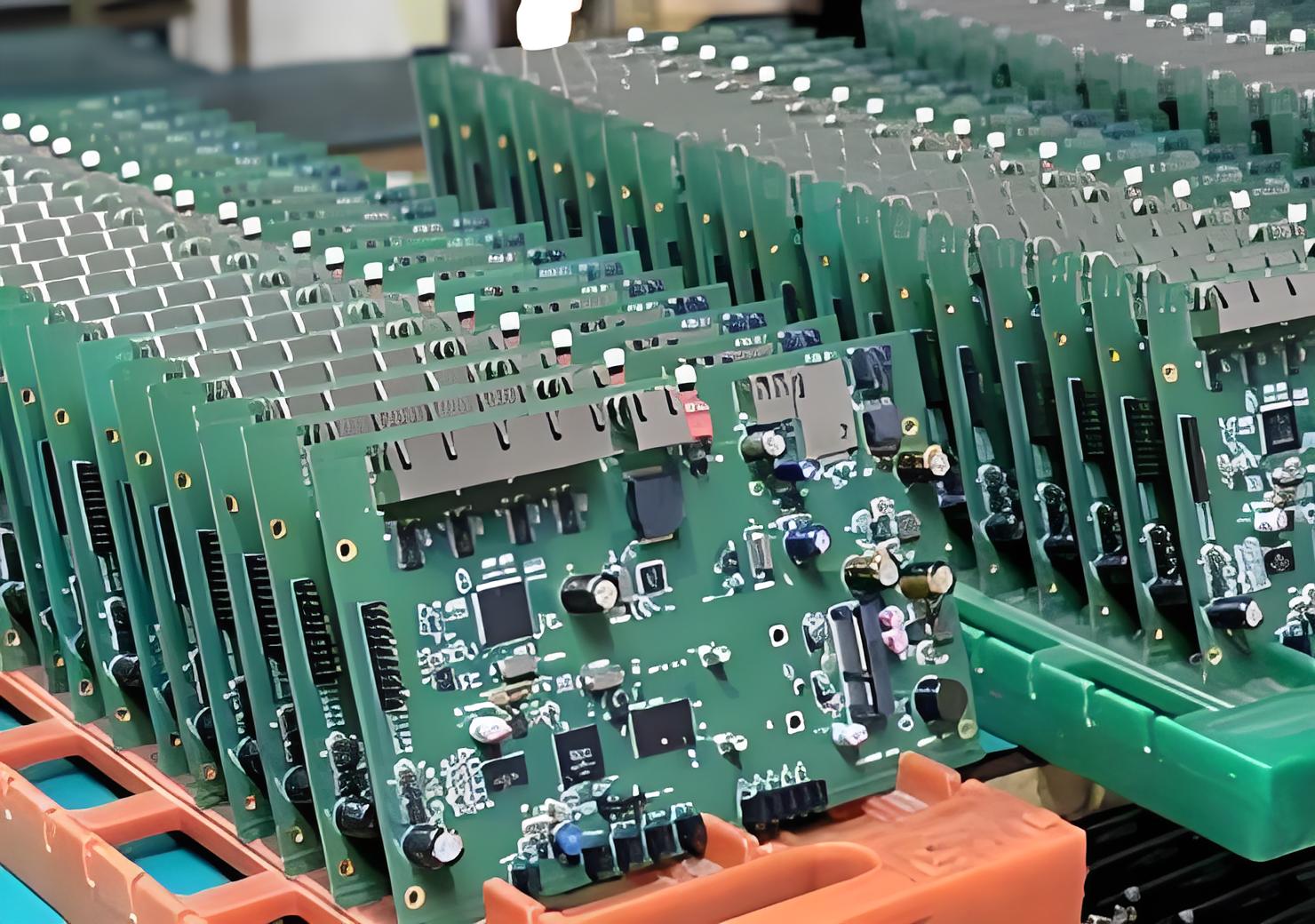
Printed Circuit Boards (PCBs) do not follow a one-size-fits-all policy at the electronics level. The design, materials, and production processes are determined by the operational environment and reliability requirements. A consumer smartphone PCB will require very different specifications compared to a PCB that controls the brakes of a car or monitors a patient’s vital signs. This guide contains detailed insights of PCB specifications from different industries.
From the applications that require extreme temperature and vibration requirements like Automotive sector to Medical devices that require sterile environments and fail-safe operation. Each of these sectors has its own challenges. To create a strong, reliable and compliant electronic product, understanding the nuances of the industry is the first step.
· Test Instrumentation
· Gas Chromatography Analyzers
· Microwave Communication Products
· Winery Control Solutions
· Time and Frequency Products
· Telecommunications Transport Products
· Measurement and Control Products
· Telco Access Solutions
· Flow meters and mass flow controllers for gas, liquid, or steam
· Some of the projects we have completed go into the following:
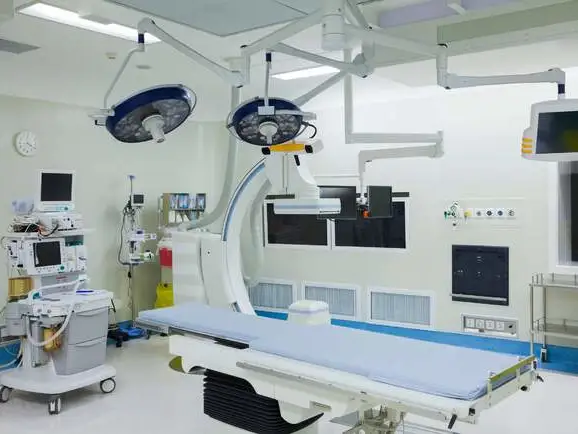
· Atrial fibrillation (AF) Products
· Powered surgical instruments.
· Therapeutic products
· Microdermabrasion skin-revitalizing treatment
· Aesthetic systems
· Cell-based therapeutics
· Medical and surgical lighting equipment
· Medical Physics Magnetic Resonance Imaging
· Tear-stimulation devices
· Patient Care Monitoring Systems
· UltraSync ECG synchronization
· Anesthetic gas monitoring systems
· Handheld pulse oximeter
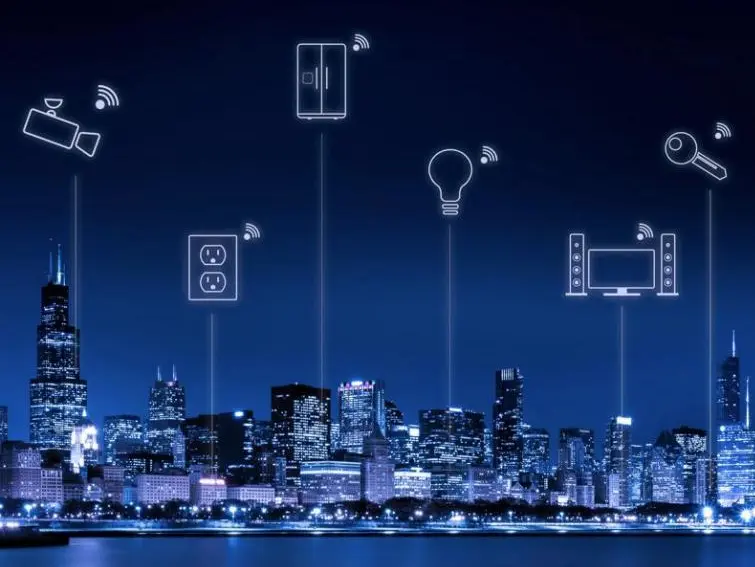
The smart home devices will be a fast growing market within the Internet of Things (IoT) industry that needs PCBs which would be both performance-wise, power-efficient, and affordable. These devices should be functional in homes with a high level of connectivity and easy to use.
Important Requirements: The ability to incorporate wireless modules (Wi-Fi, Bluetooth, Zigbee), low power usage in battery operated equipment and affordable design to appeal to the mass market. The issue of security in transmitting data is becoming a sensitive matter.
Uses: Smart thermostats, security cameras, voice assistant, smart lighting and sensors.
JinTeng form the very backbone of LEDs in providing structural support for heat dissipation, electrical connections, and mechanical support. Aluminum-backed PCBs, among other types, ensure longevity in the life of LED lights by conducting the thermal build-up and maintaining brightness. A mix of efficient thermal management with compact design enables LEDs to illuminate everything from residential interiors to huge industrial or outdoor setups.
Applications:
LED lighting panels and stripsfor architectural, retail, and commercial spaces.
High-power lightingfor automotive headlights and street lamps using aluminum substrates.
Display and signage applications such as advertising screens and LCD backlighting.